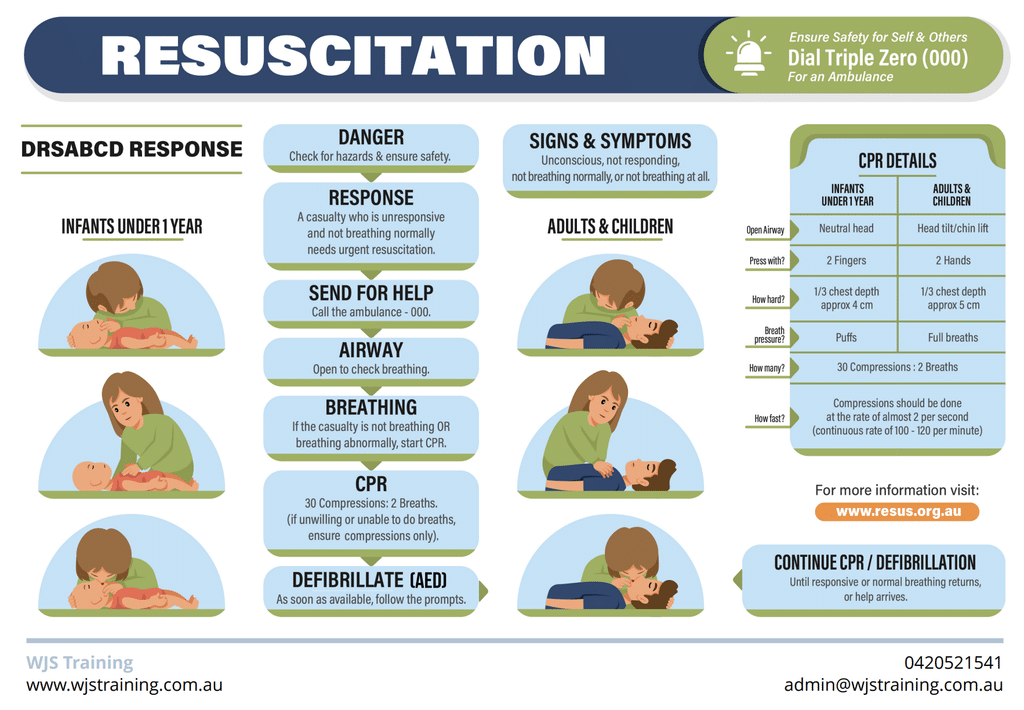

The DRSABCD action plan is the sequence you follow in a first aid emergency. Each letter represents a priority, and you work through them in order. D-R-S-A-B-C-D stands for Danger, Response, Send for help, Airway, Breathing, CPR, and Defibrillation.
D is for Danger
Before you approach a casualty, check that the scene is safe — for you first, then for bystanders, then for the casualty. Hazards may include traffic, electricity, fire, chemical spills, or unstable structures. If you become a casualty yourself, there is no one left to help.
Generally, do not move the casualty. Movement can worsen injuries, increase pain and blood loss, and cause shock. However, you may need to move a person to ensure safety, to access and manage their airway, or to control severe bleeding.
Danger is not something you check once — it should be assessed throughout the incident, as conditions can change.
R is for Response
Give a simple command — “Open your eyes.” Then gently squeeze the shoulders. A person who fails to respond normally to voice or touch, or only groans without opening their eyes, should be managed as unconscious.
S is for Send for Help
If the person is unresponsive, call Triple Zero (000) and ask for an ambulance. The operator will ask which service you need and may ask your state and location. Your call will then be transferred to the ambulance service.
Stay on the line, speak clearly, and answer the operator’s questions. Do not hang up until the operator tells you to.
A is for Airway
When someone is unconscious and lying on their back, the tongue falls against the back of the throat and blocks air from entering the lungs.
To open the airway, place one hand on the forehead and use the other to lift the chin. Tilt the head back on an adult and just slightly for a child to inspect the airway for obstructions.
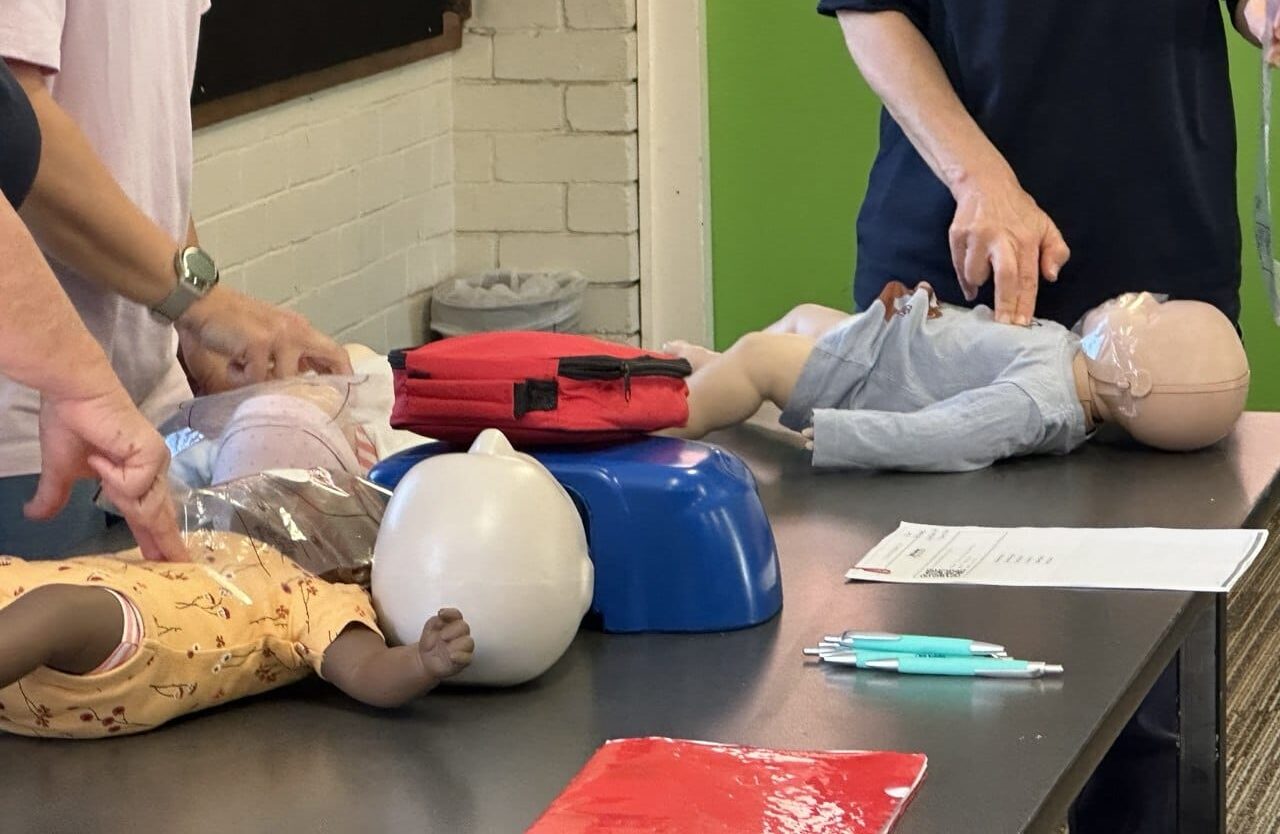
Infants are a little different, their airways are smaller and we want to keep them in a neutral position so we don’t block their airways.
Check the airway while the person is on their back — do not routinely roll them onto their side. Only roll the person to the side if the airway is obstructed by fluid such as blood or vomit, or by debris. In an unconscious person, care of the airway takes precedence over any other injury, including the possibility of a spinal injury.
B is for Breathing
With the airway open, assess whether the person is breathing normally. Look for movement of the lower chest. Listen and feel for “in and out” breathing from the nose and mouth. Hold this assessment for up to ten seconds.
If the person is gasping or breathing abnormally, this is not normal breathing — they require CPR.
If breathing is normal, place them in the recovery position.
C is for CPR
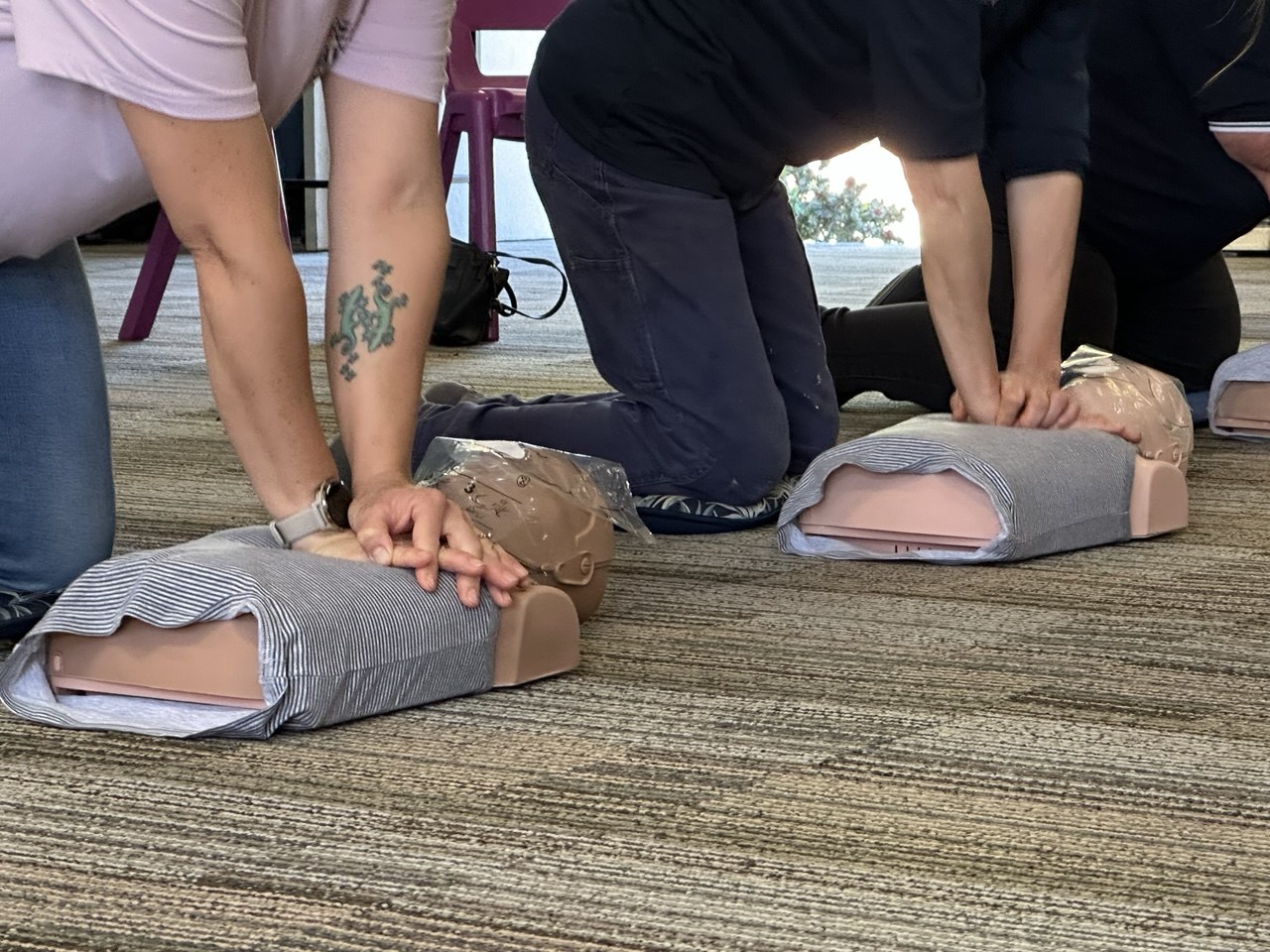
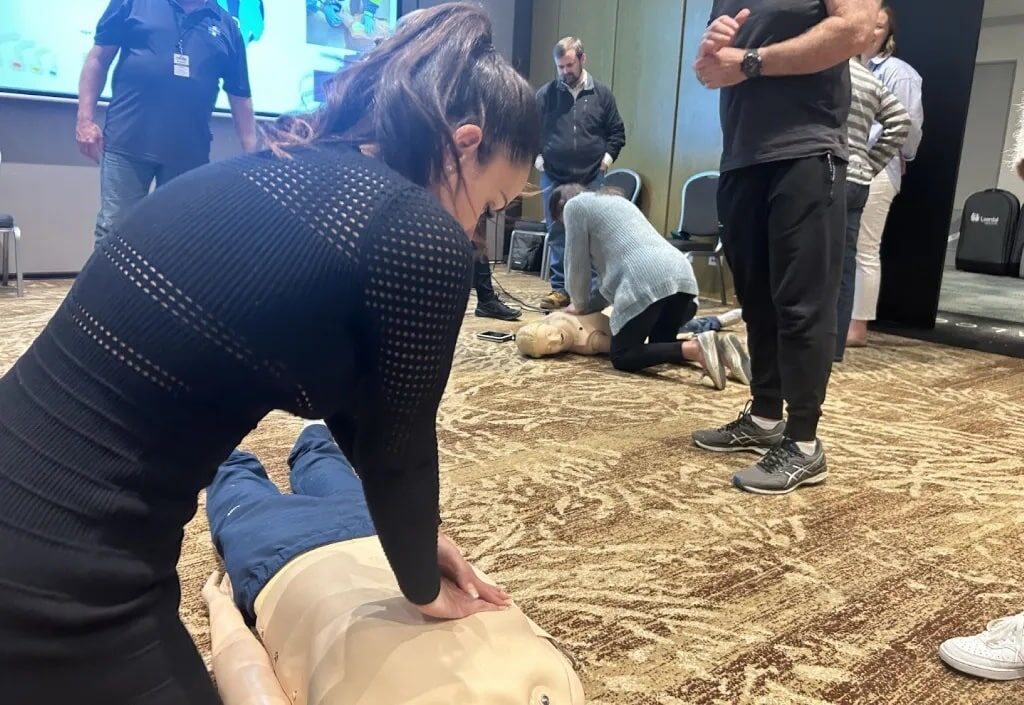
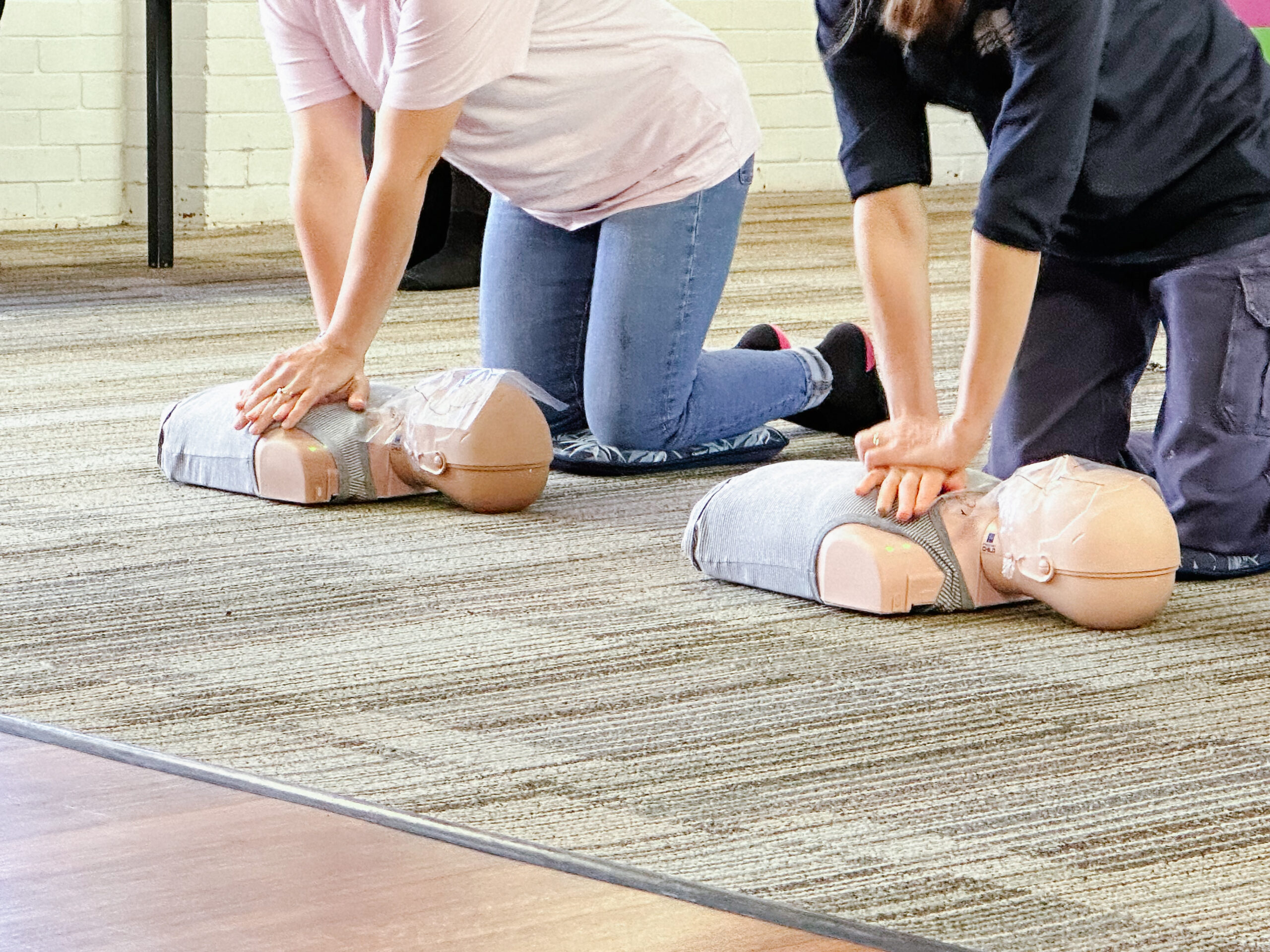
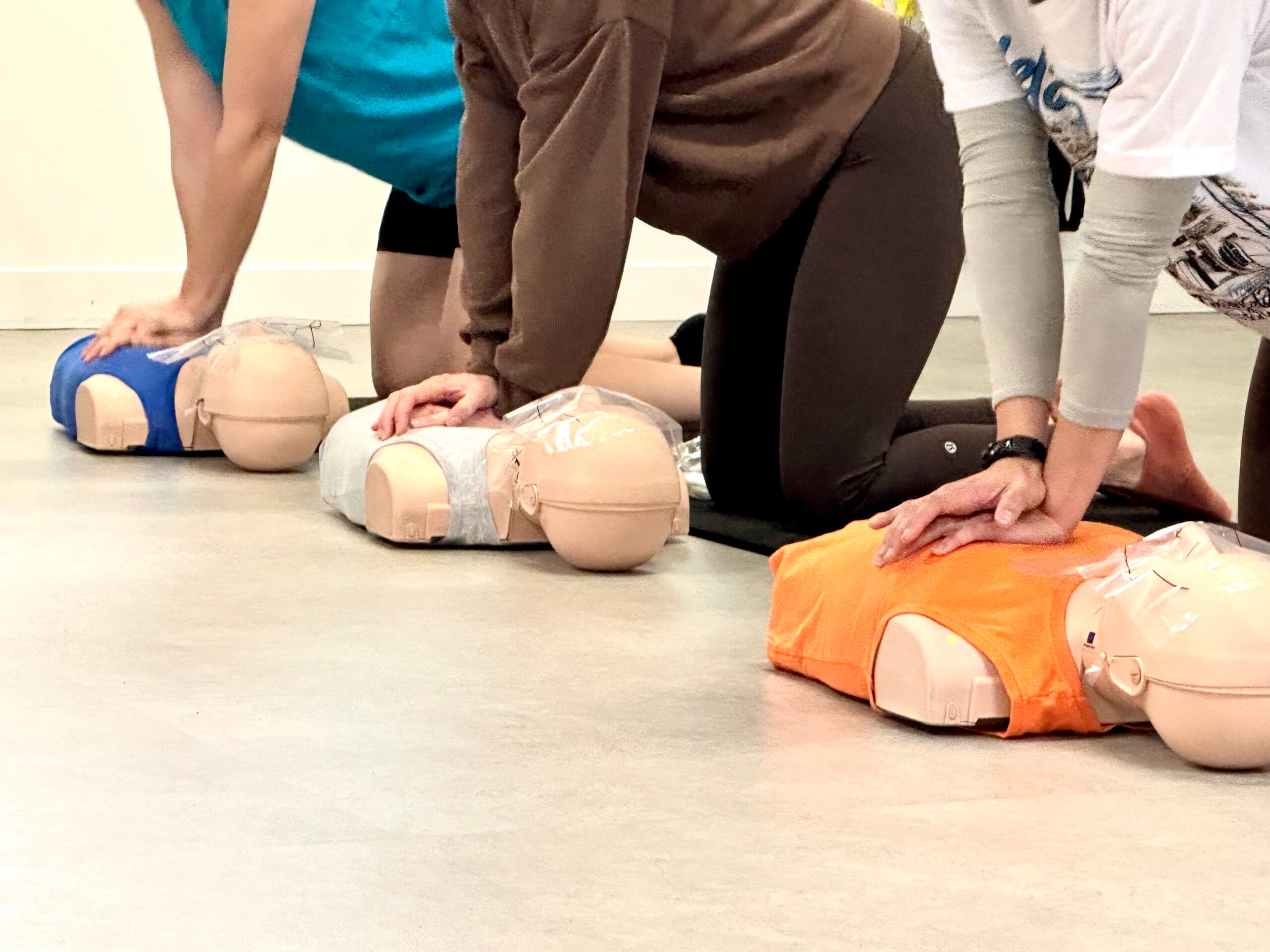
If the person is unresponsive and not breathing normally, commence CPR. Learn more about CPR technique and attend our CPR course Perth.
D is for Defibrillation
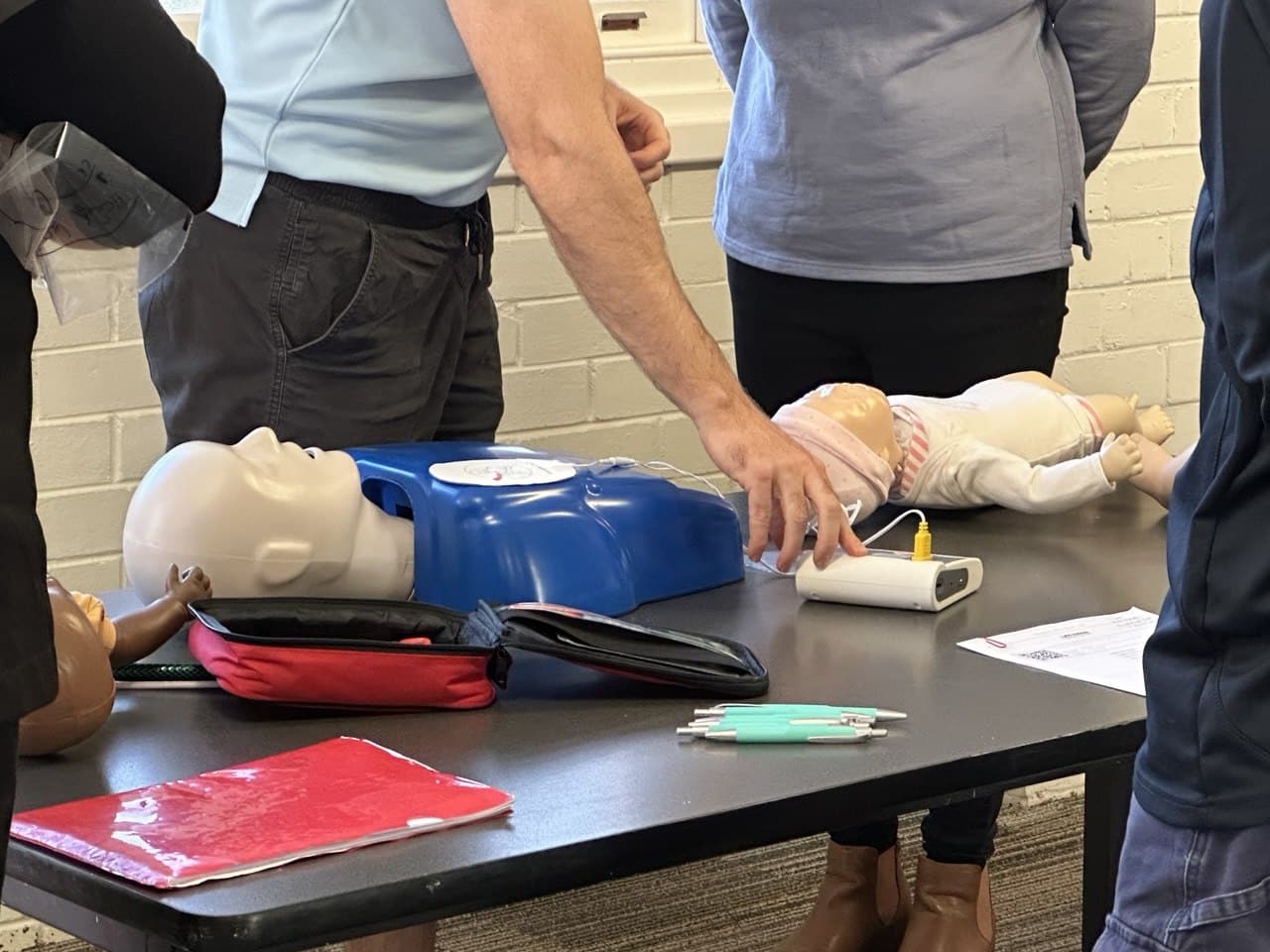
If an automated external defibrillator is available, it should be applied as soon as possible. AED use is covered in a separate video.
To Summarise
Danger
Response
Send for help
Airway
Breathing
CPR
Defibrillation
You check for danger first, check for a response, send for help if they are unresponsive, open and clear the airway, check for normal breathing, start CPR if they are not breathing normally, and apply an AED as soon as one is available.