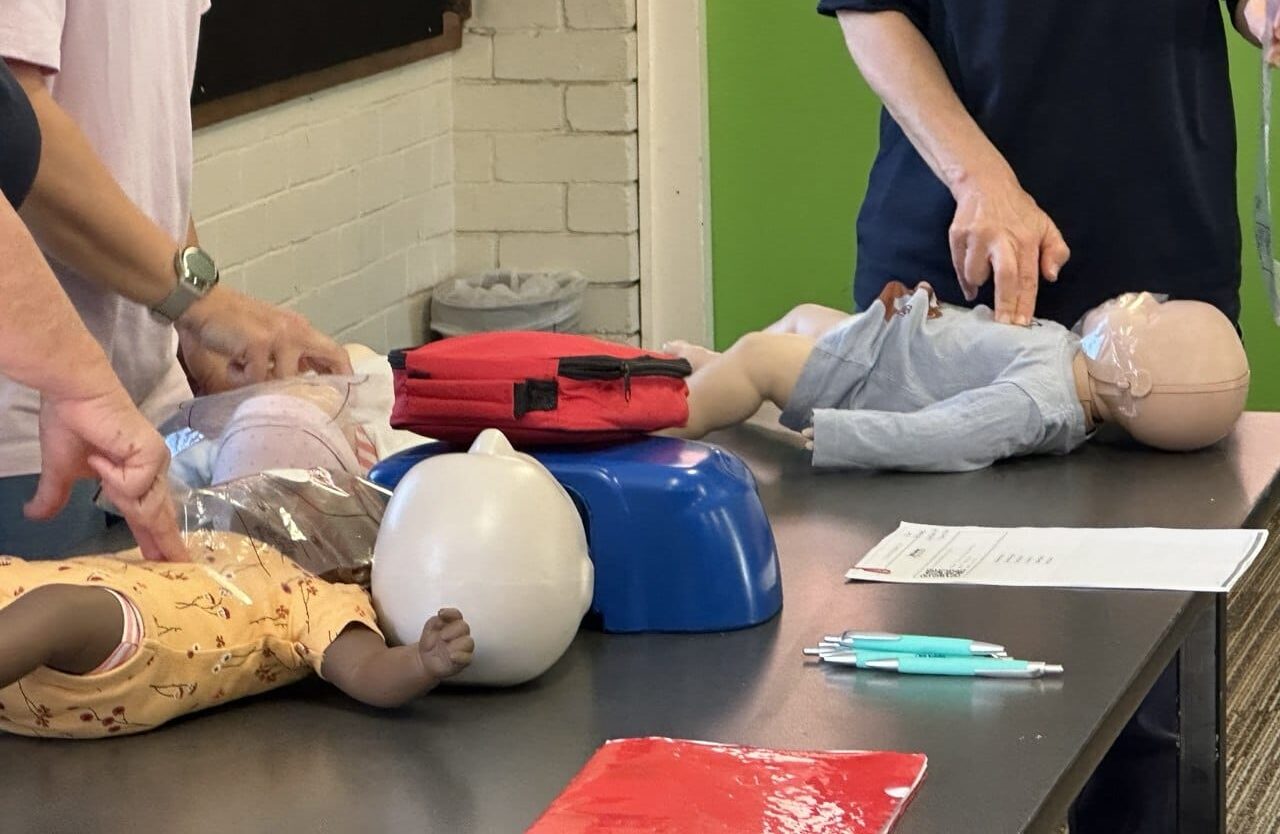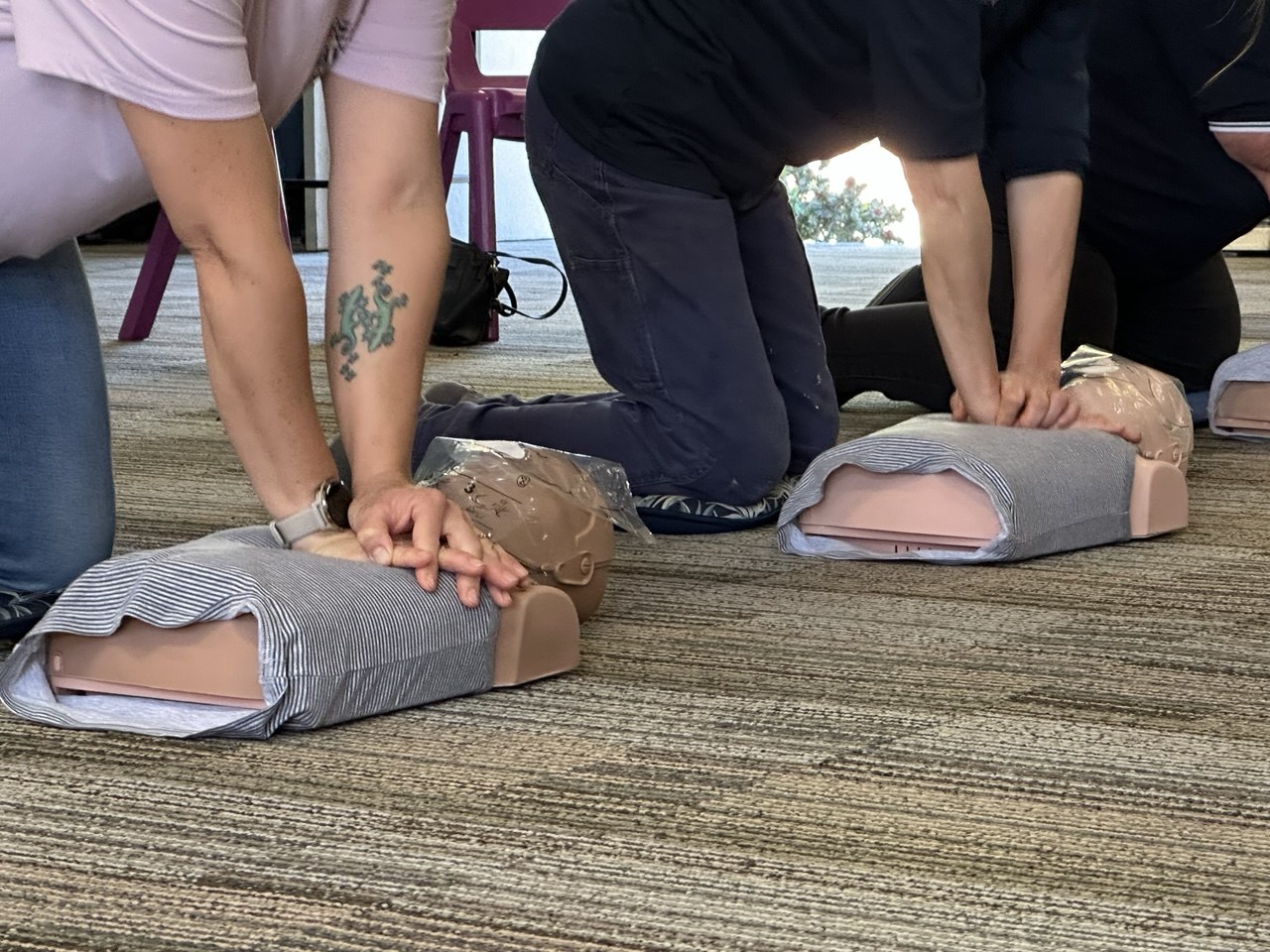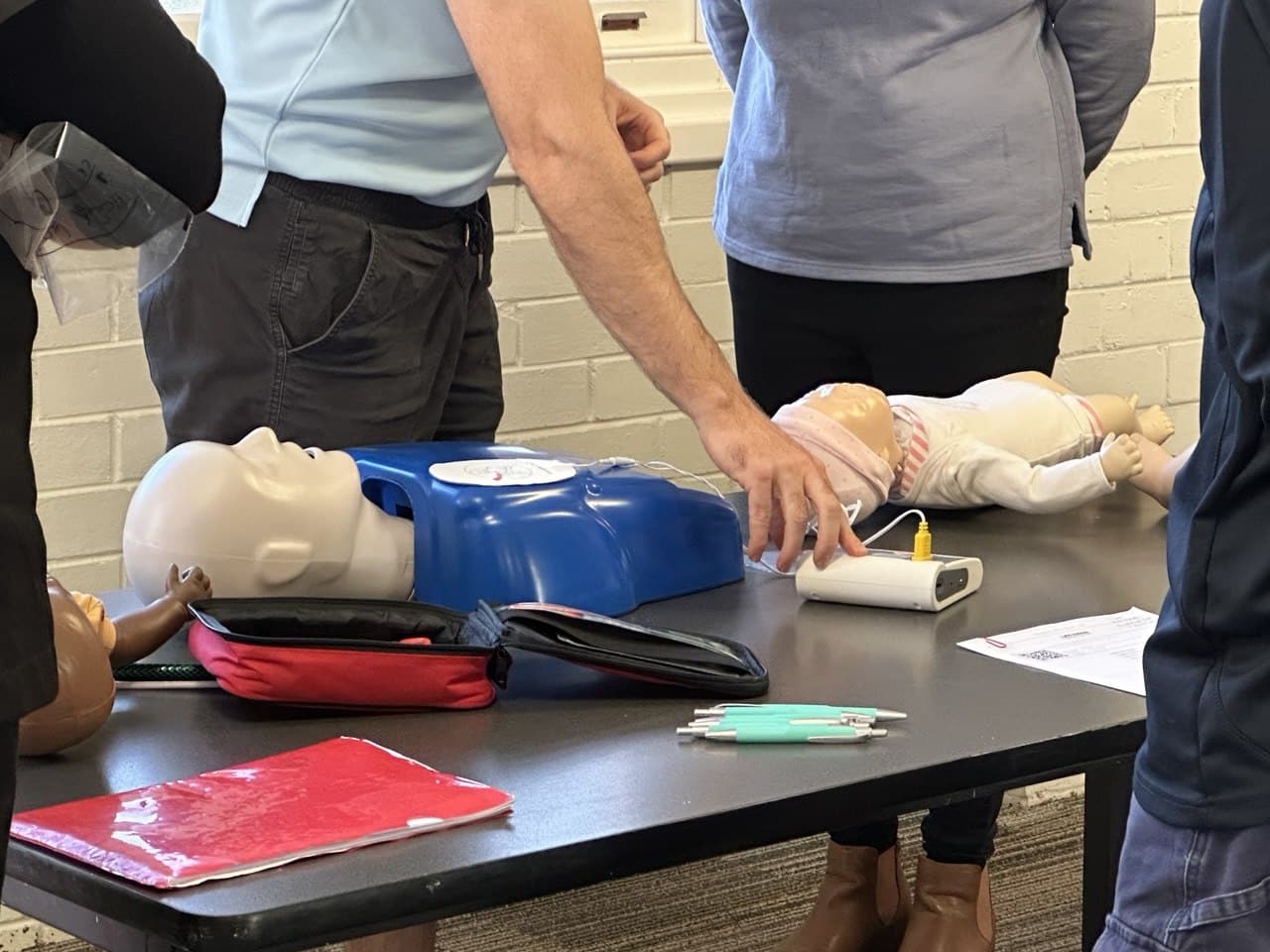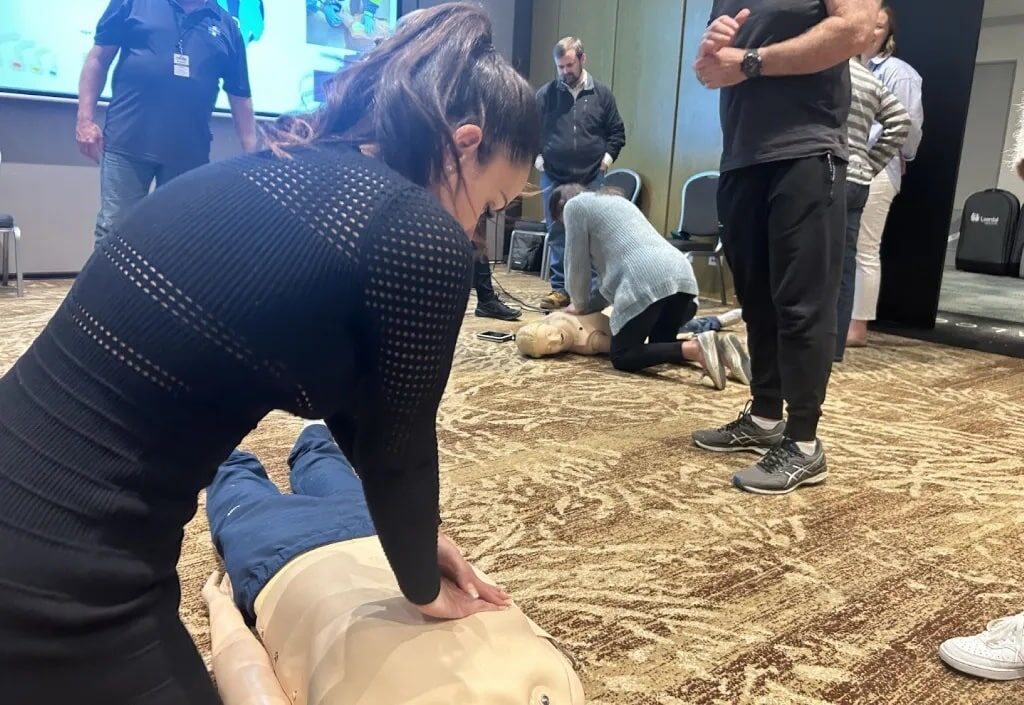

Every workplace must have first aid procedures that match the risk level, staff size, size and location of the workplace, the nature of the work being carried out at the workplace, and the nature of the hazards at the workplace.
This applies to offices, warehouses, construction, retail, healthcare, chidlcare and all other industries.
Workplaces must have:
- Trained first aid people (first aiders)
- First aid kits, first aid signs, AEDs, and other equipment (eye washes, showers, etc)
- First aid facilities
- Clear first aid procedures
- Emergency response plans
- Staff awareness about first aid information
Safe Work Australia confirms fast first aid response reduces injury impact.
To book a workplace first aid course for your staff
What Are The Procedures For First Aid in a Workplace
First aid procedures are clear steps staff follow during emergencies.
They cover who responds, where equipment is kept, and how incidents are managed.
Without clear procedures, staff could panic and time cab be lost.
According to First Aid in the Workplace, Code of Practice by Safe Work Australia, you should develop and implement first aid procedures to ensure workers have a clear understanding of first aid in their workplace. The procedure should cover:
- Which work areas and shifts each first aider is responsible for, including their names and contact details
- The types of first aid kits available and where they are located
- The location of first aid facilities, such as first aid rooms
- Who is responsible for first aid kits and facilities, and how often they are checked, restocked, and maintained
- How emergency communication works, including how to quickly contact first aiders and emergency services
- What communication equipment is used when first aid is needed, especially for remote or isolated workers, including where the equipment is located, who maintains it, and how it is maintained
- How first aiders receive appropriate training
- How workers receive first aid information, instruction, and training
- How information is collected about medical conditions that may require urgent treatment, such as asthma, diabetes, heart conditions, or severe allergies (this information must remain confidential and only shared with first aiders with the worker’s consent)
- How workplace injuries and illnesses are reported
- How exposure to blood and body substances is prevented
- What to do if a worker or other person is too injured or unwell to remain at work, including support with transport to medical care or home
- Access to debriefing or counselling support for first aiders and workers after a serious workplace incident
Record-keeping
A record of all first aid treatment should be kept by the first aider and regularly reported to management to help review and improve first aid arrangements.
Procedures and plans for managing an emergency
You must have an emergency plan in place for the workplace.
The plan should clearly cover:
- How the workplace will respond to an emergency
- Evacuation procedures
- How and when emergency services are contacted
- How medical treatment and assistance are provided
- How clear communication is maintained between the authorised emergency coordinator and everyone at the workplace
First aid procedures can be included as part of the workplace emergency plan.
Potential Compliance Gaps in the Workplace
Expired first aid or CPR certificates.
Too few trained first aiders for the size of the workforce or level of risk.
No first aid risk assessment completed for the workplace.
First aid procedures not documented or not kept up to date.
First aid kits missing items, not suitable for the work, or not restocked regularly.
First aid kits not easy to access or not clearly marked.
First aid facilities not provided where required.
Workers not informed about first aid arrangements or who the first aiders are.
Emergency communication systems not clearly set up or tested.
No clear process to contact first aiders or emergency services quickly.
Medical conditions of workers not considered in first aid planning (with consent).
Injuries and illnesses not recorded or reviewed.
First aid arrangements not reviewed when the workplace, work tasks, or staff numbers change.
Group training helps to avoid these gaps.
FAQs
At most workplaces, what first aid procedures may be in place?
You should have procedures that explain how first aid is provided, including where first aid kits and facilities are, who is responsible for them, how they are maintained, how workers access help, and how emergency communication works.
Do workplaces have to include first aid procedures in their emergency plans?
Yes. You may include first aid procedures within your workplace emergency plan so staff know how to respond to an emergency and where first aid support fits.
Should first aid procedures include record keeping?
Yes. Procedures should explain how first aid treatment given is recorded and how records are kept to help review arrangements.
Do first aid procedures need to explain maintenance of first aid kits?
Yes. Your procedures should say who checks first aid kits and facilities, how often they are checked, and how they are restocked and maintained.
Should first aid planning consider worker health conditions?
Yes. When determining first aid requirements, you should consider any workers with a disability or known health concerns such as asthma or allergies.
Are first aid procedures required even for low-risk workplaces?
Yes. All workplaces must have first aid procedures tailored to their size, hazards, and number of workers.
Do first aid procedures need to explain how injuries are reported?
Yes. First aid procedures should explain how workers report injuries and illnesses, and records of injuries and illnesses can then be used to review first aid requirements
Book group training
Compliance does not need to be stressful.
We make it simple.
Book workplace first aid training with WJS Training.
In a workplace, what first aid procedures are required to be in place should always be clear. Download the document with more detailed information, issued by Safe Work Australia.